
Concept of Algorithm
The role of algorithm in the problem-solving process
2.2 Role of algorithm in problem solving process model
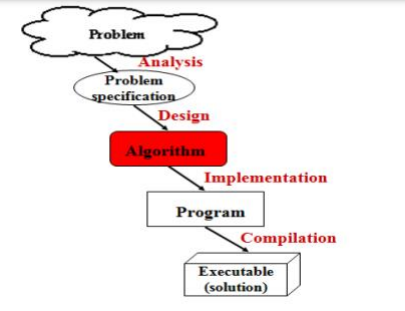
Figure 2: Shows the role algorithm plays in problem solving process model
Algorithm plays a very important role in the problem solving process. In fact the algorithm step is where the procedure or instruction to getting a solution to a problem is designed. Figure 2 above proposes five (5) steps to which a problem can be solved and between the steps are activities that will occur. Steps include;
Step 1: The problem: The problem is stated. The problem stated is analyzed to give a clear
specification.
Step 2: The result of the analysis above translates into a more defined problem (i.e specified
problem). With the problem specification, we can now move to design an algorithm.
Step 3: The algorithm: The algorithm step is the most important step to problem solving. It is,
because; your instruction to getting a solution is designed here. Step 1 – Step 3 of this model
are the most important steps. If your problem statement translation is wrong, your algorithm
design will not yield a desired result to the problem. Steps 4 and 5 of the model are less
important, depending on the method of implementation/representation you have chosen. Steps
4 and 5 of the process model is applicable if the algorithm is to be represented in a program
using a particular programming language.
Step4: Program: At this step, the designed algorithm is implemented into a computer program. The program is compiled and executed to give a desired solution.
Step5: At this step, a desired solution is proffered to the specified problem