Thyroid and Adrenal Glands
The thyroid and adrenal glands are two essential endocrine organs that regulate a wide range of physiological processes crucial for survival, growth, metabolism, and adaptation to stress.
While the thyroid gland primarily controls the rate of energy metabolism and protein synthesis, the adrenal glands coordinate the body’s stress response, electrolyte balance, and metabolic adjustments through hormonal secretion.
Together, they exemplify how the endocrine system maintains homeostasis through finely tuned hormonal interactions and feedback control mechanisms
1. The Thyroid Gland
1.6. Clinical Correlations
|
Disorder |
Cause |
Key Features |
Physiological Basis |
|
Hypothyroidism |
↓ T₃/T₄ (e.g., iodine deficiency, Hashimoto’s) ↑ TSH |
Fatigue, weight gain, cold intolerance, bradycardia |
↓ metabolism |
|
Hyperthyroidism (Graves’ disease) |
Autoimmune stimulation of TSH receptor ↓ TSH |
Weight loss, heat intolerance, tremor, tachycardia, goitre |
↑ metabolism |
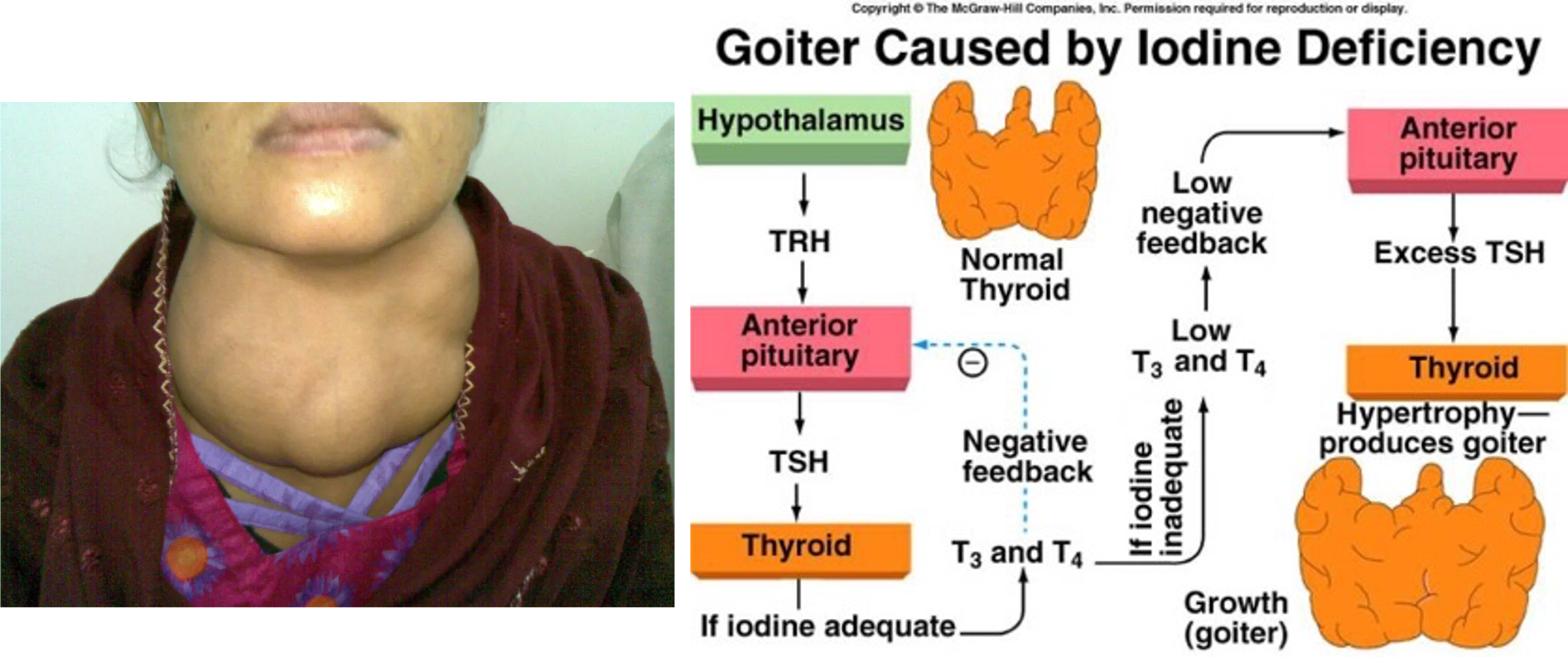
- A goiter is a hypertrophied thyroid that results from the thyroid increasing in size in an attempt to produce more thyroxin in the absence of iodine (endemic colloid goiter).
- Enlarged goiter may occur in people who do not have iodine deficiency (idiopathic nontoxic colloid or exophthalmic goiter -Graves’s Disease).
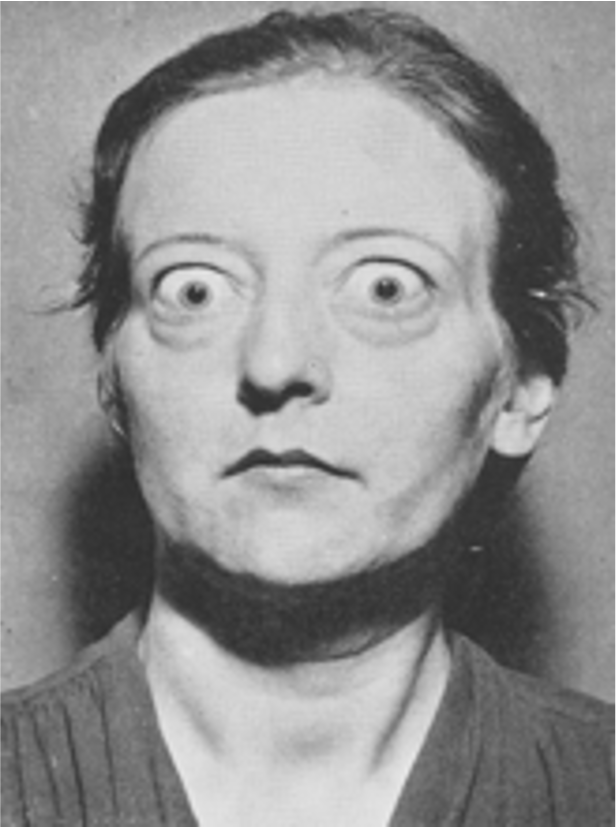
- This disorder develops as result of autoimmunity in which antibodies against TSH receptor act to stimulate the thyroid in the absence of TSH with resultant development of hyperthyroidism.
- The antibodies developed are called TSI (thyroid stimulating immunoglobulin).
- The term myxoedema (accumulation of fluids in subcutaneous connective tissues) is applied to advanced hypothyroidism.
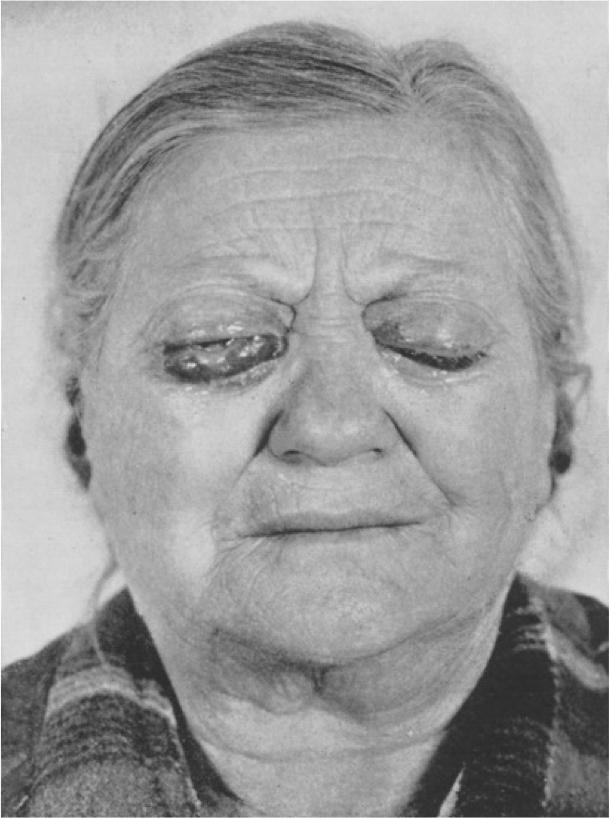
- It is characterized by swelling of the skin and subcutaneous tissues.
- It develops in patients with total lack of thyroid function.
- Hypothyroidism may also be caused by an autoimmune attack on the thyroid gland (Hashimoto’s disease or thyroiditis).
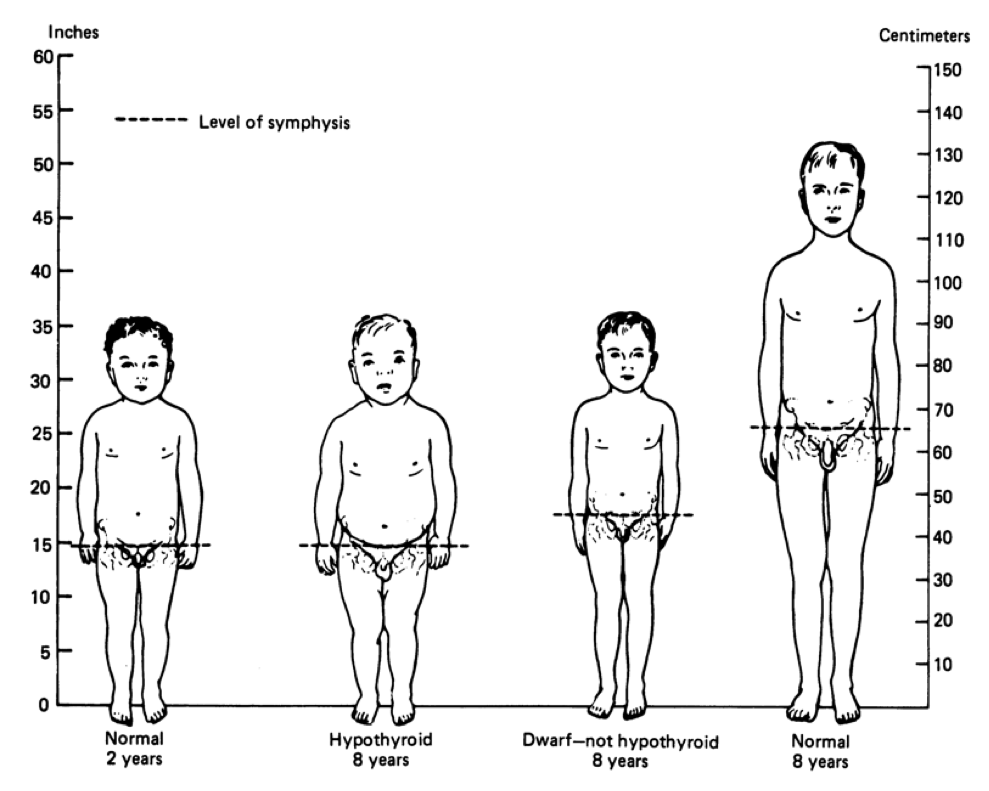
- Cretinism: Hypothyroid conditions during fetal development result in impairment of growth and brain functioning.
- The hypothyroidism may be due to iodide deficiency or to congenital defects, such as lack of TSH receptor..
- The result is a mentally retarded, dwarfed newborn.